Top Decision Making Frameworks Every Leader Should Know
Every business leader faces complex choices daily—whether it’s about strategy, operations, or people. But making the right decision at the right time isn’t just about intuition; it requires structure. This is where decision-making frameworks become indispensable. They help leaders analyze situations, weigh options, and act with confidence.
If you want to make smarter, more accountable business decisions, these are the top frameworks every leader should know.
Costs: Financial investment, time, resources, and potential risks.
A structured CBA helps ensure decisions are grounded in measurable outcomes rather than gut feeling alone.
3. The Eisenhower Matrix (Urgent vs. Important)
Time and focus are a leader’s most valuable resources. The Eisenhower Matrix categorizes tasks into four quadrants:
Urgent & Important – Do it now
Important but Not Urgent – Schedule it
Urgent but Not Important – Delegate it
Neither – Eliminate it
This framework helps leaders prioritize effectively and avoid decision fatigue.
4. OODA Loop (Observe, Orient, Decide, Act)
Originally developed for military strategy, the OODA Loop is now widely used in business.
Observe: Gather information
Orient: Analyze context
Decide: Choose a course of action
Act: Execute quickly
The cycle repeats, allowing leaders to stay agile and adapt in fast-changing environments.
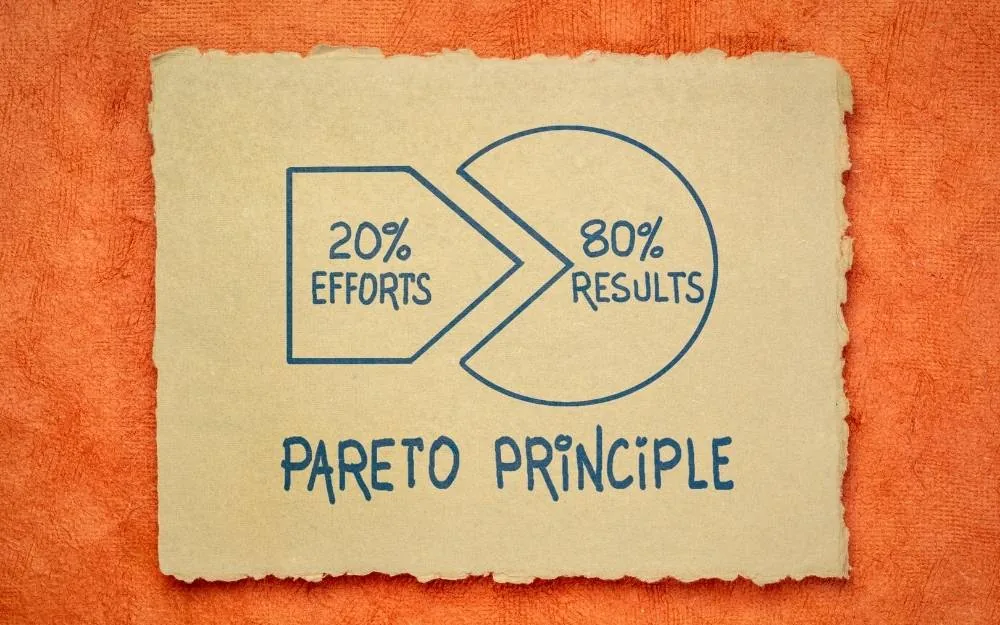
5. The Pareto Principle (80/20 Rule)
The Pareto Principle suggests that 80% of results often come from 20% of efforts. Leaders can apply this to:
Customer satisfaction (focus on the top 20% of clients driving revenue)
Operations (optimize the 20% of processes creating most delays)
Strategy (invest in the initiatives with the highest return)
This framework ensures leaders focus on what truly matters most.
6. The RAPID Framework (Recommend, Agree, Perform, Input, Decide)
Complex organizations often struggle with decision ownership. The RAPID framework clarifies roles:
Recommend – Who proposes options
Agree – Who must approve
Perform – Who executes
Input – Who provides insights
Decide – Who makes the final call
This structure reduces confusion and improves accountability at every level.
7. Decision Trees
A decision tree visually maps out possible outcomes based on different choices. This makes it easier to:
Evaluate risks and rewards
Identify alternatives
Forecast long-term impacts
Decision trees are particularly effective for strategic planning and investment decisions.
Why Frameworks Matter for Leaders
Without structure, decision-making can feel overwhelming or inconsistent. Frameworks provide:
Clarity – Ensuring all options are explored
Confidence – Decisions are backed by logic and data
Accountability – Clear ownership of actions and results
Agility – Faster, smarter responses to change
Final Thoughts
Great leaders don’t rely solely on instinct—they combine experience, data, and proven frameworks to make better choices. By adopting tools like SWOT, Eisenhower Matrix, OODA Loop, and RAPID, leaders can ensure their decisions are not only smarter but also more aligned with long-term success and accountability.